
CKM Oil Sump Extraction Pumps can draw dirty oil from hard-to-reach areas into a transparent reservoir using compressed air. The amount of used oil extracted can be determined from liter divisions in the transparent reservoir. They come with a 9-liter transparent section and storage capacities of 100 and 60 liters. After extracting the dirty oil, it is transferred to an 80-liter lower compartment and can be discharged to any desired location using compressed air.
Depending on the model, Oil Sump Extraction Pumps create vacuum using compressed air from a compressor, enabling the transfer or discharge of any type of oil from any vehicle. The primary purpose of these pumps is to prevent environmental pollution during the storage of waste oil. Their primary advantage lies in facilitating the storage of waste for recycling purposes. Therefore, Oil Sump Extraction Pumps are essential for meeting environmental protection and hygiene standards.
What is an oil pan? What does it do?
The oil pan, located under the engine block, serves to store and cool engine oil. It is typically made of steel sheet metal. Additionally, it covers the crankcase and crankshaft bearings located at the bottom of the engine. Engine oil collects in the oil pan, where it is drawn by the oil pump and pressurized through oil channels to lubricate moving engine parts such as the cylinder-piston assembly, valve mechanism, and crankshaft.
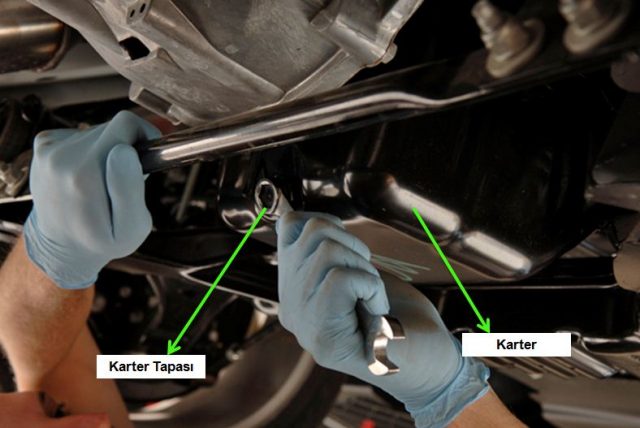 During an oil change, the drain plug at the bottom of the oil pan is loosened to allow the oil to drain out, or it can be cleaned using oil suction pumps. Some oil pan plugs are magnetic, designed to attract and separate small metal particles from the oil. To prevent excessive agitation of the oil during engine operation, the oil pan contains perforated partitions inside.
How to remove and clean the oil pan?
Oil pan should not be removed while the engine is very hot; it should be allowed to cool down first. Before removing the oil pan, it is necessary to drain the engine oil; for this, an oil drain pan should be placed under the oil pan. There is a drain plug at the bottom of the oil pan; this plug should be loosened and removed to allow the oil to drain. Afterward, the numerous bolts connecting the oil pan to the engine block are removed. There is a gasket between the oil pan and the engine block; this gasket should also be removed to detach the oil pan from its place. Nowadays, liquid gaskets are commonly used in vehicles. Liquid gasket securely adheres the oil pan to the engine block, so even if you loosen the bolts, the oil pan may not come off easily. In this case, suitable tools such as a steel spatula should be used to separate the oil pan without damaging it. Before reinstalling, the old liquid gasket should be completely scraped off, and a new liquid gasket should be applied.
When fitting it back, ensure the gasket is properly seated; if it’s a liquid gasket, tighten it. Fasten the connecting bolts diagonally and evenly with the appropriate torque. Then, replace the oil plug and open the oil fill cap at the top of the engine, filling it with the recommended motor oil specified by the manufacturer. Used drained oil should not be reused unless absolutely necessary. During an oil change, the oil filter must also be replaced. After completing all procedures, start the engine and check for any oil leaks from the oil plug; if there is a leak, inspect its seat and threads, and replace the plug if necessary. If there’s an oil leak from the oil pan gasket, ensure the bolts are properly tightened. If the leak persists, the oil pan and gasket should be removed again, and the sealing process should be repeated correctly, including the application of a liquid gasket..
What are the faults of the oil pan?
In vehicles, oil pan puncture can occur, typically caused by stones from the road, the oil pan hitting the road on uneven surfaces, or falling into potholes. Another issue is oil leakage from the plug or gasket of the oil pan. Gaskets should be replaced as soon as possible
What is the reason for the engine oil pan leaking or dripping oil?
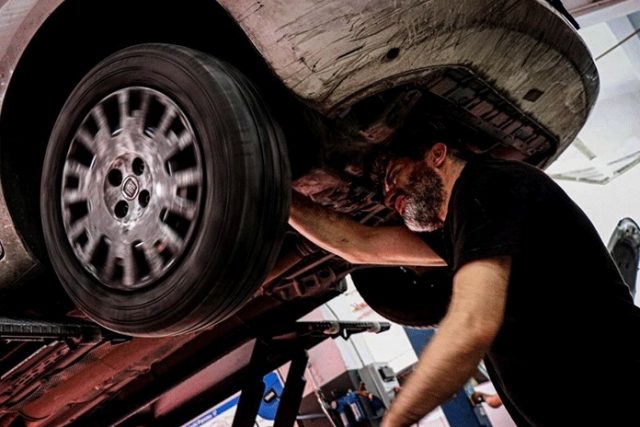
The engine sump plug or the gasket may be leaking oil. If it’s the plug, tighten it; if it’s the gasket, replace it with a new one or a liquid gasket. Check for any holes or cracks in the sump. If none are found but there’s still an oil leak, inspect the crankcase ventilation system.
Oil sump puncture and repair.
If the vehicle’s oil sump is punctured, the engine should be immediately shut off and not restarted. Running the engine without oil can cause significant damage to components such as the pistons, cylinders, valves, crankshaft, and crankshaft bearings, potentially necessitating the replacement of the entire engine. In case of an oil sump puncture, it is advisable to tow the vehicle to a service center and replace the sump with a new one. Alternatively, a skilled mechanic can weld the hole or crack if it is minor and caused by impact, but if the sump is significantly warped due to impact, it should be replaced.

